

If your delinquent-property-tax property is inside the City of Milwaukee, there’s a procedural wrinkle that catches many homeowners off guard: the City of Milwaukee operates its own in-rem tax foreclosure program separate from Milwaukee County’s process. Wisconsin first-class cities — Milwaukee is the only one — are authorized to pursue tax foreclosure under their own program, and Milwaukee actively does so.
This page explains how the City of Milwaukee tax foreclosure works, how it differs from Milwaukee County’s process, what notice you’ll receive, and what the practical implications are for selling the property — including the ‘City of Milwaukee Tax Foreclosure Property’ listings that show up in Milwaukee MLS after the city completes foreclosure. I’m Mike Messmer. 30 years in this market. Here’s what you need to know.
Why the City Has a Separate Program
Wisconsin law authorizes counties to pursue in-rem tax foreclosure under Wis. Stat. § 75.521. It separately authorizes first-class cities (cities of more than 150,000 population organized as cities of the first class under Wisconsin’s municipal code) to operate their own in-rem tax foreclosure programs. Milwaukee is currently the only Wisconsin first-class city, and the city actively uses the authority.
The practical effect: if your delinquent-property-tax property is inside Milwaukee city limits, the City of Milwaukee Treasurer’s office, not the Milwaukee County Treasurer’s office, is the foreclosing authority. The procedural statute is the same — Wis. Stat. § 75.521 — but the petitioner is the city, and the city’s procedures and timelines may operate differently from the county’s.
What Sellers Say About Cash House Buyer WI

“I hadn’t seen the house in 3 years. They still bought it.”
The property was falling apart and full of junk. Cash House Buyer WI gave me a fair offer and handled everything. I didn’t have to step inside once.

Jason Beezely
“The city was threatening to fine me. Cash House Buyer WI stepped in fast.”
I thought I was out of options. They gave me a cash offer in one day and closed before things got worse.

Pamela Newsom
The Same Statutory Structure
Although the city’s program is operationally distinct, the underlying statute is the same. The in-rem foreclosure procedure under Wis. Stat. § 75.521 applies to both county and city programs. That means:
- The 2-year delinquency threshold applies before foreclosure can begin.
- The city files a List of properties and a Petition for Judgment of Foreclosure with the Circuit Court Clerk.
- Notice goes to owners, lenders, lienholders, and the municipality.
- Publication for 3 consecutive weeks in a local newspaper.
- Statutory redemption period of at least 8 weeks after first publication.
- Redemption amount: unpaid taxes + interest + penalties + reasonable city costs + share of publication costs under § 75.521(6).
- Right to Answer under § 75.521(7) — limited statutory grounds, served on the city treasurer.
- If no redemption and no successful objection, judgment transferring title to the city.
Key Differences from the County Program
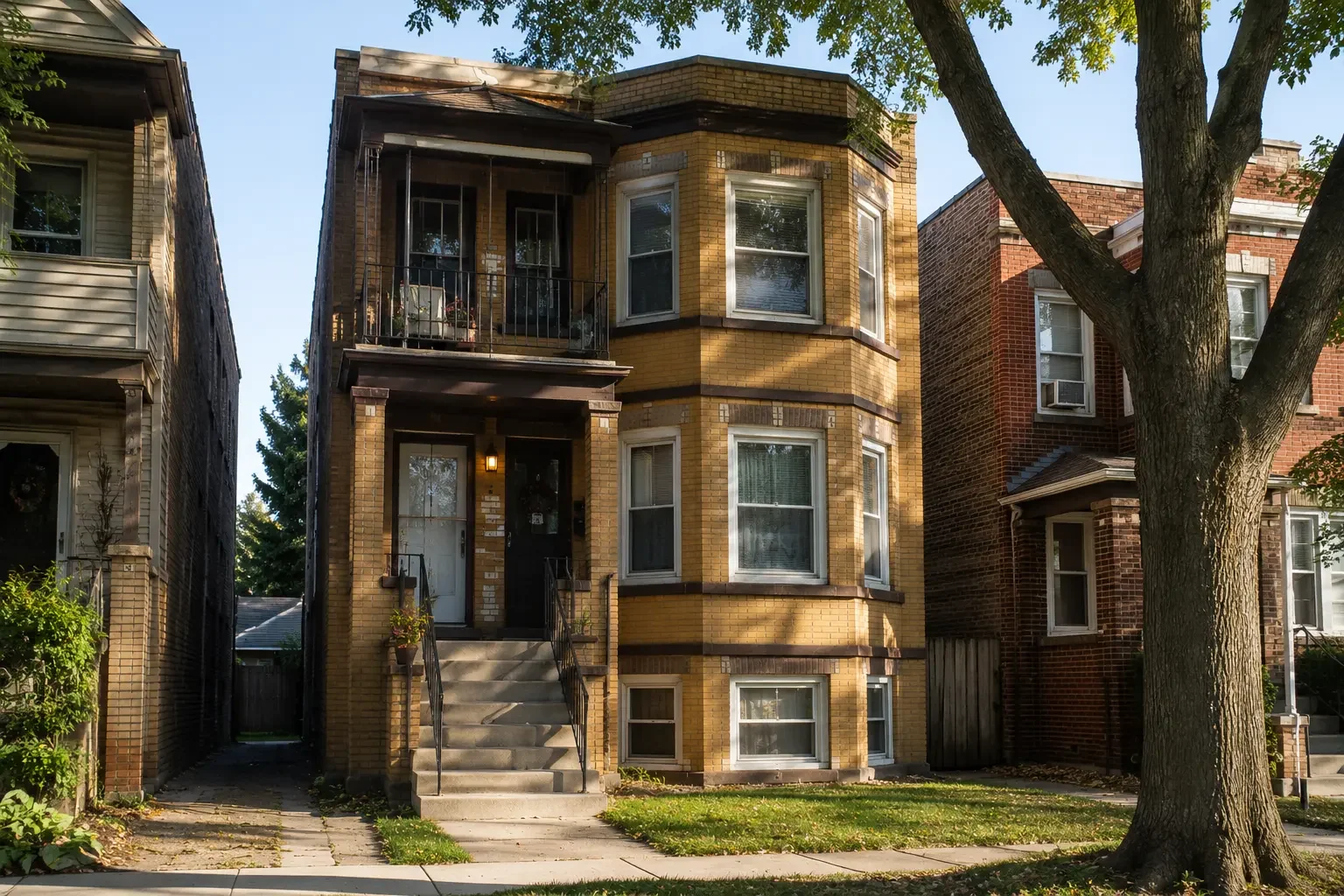
In practice, the City of Milwaukee program differs from Milwaukee County’s program in operational ways that matter for homeowners:
- Different treasurer. Direct your inquiries and redemption payments to the City of Milwaukee Treasurer’s office (city.milwaukee.gov/treasurer), not Milwaukee County. Confusion about which authority is foreclosing wastes time during the 8-week window.
- Different special assessments and charges. Milwaukee charges include water/sewer charges, weed-cutting and lot-cleanup charges, building code citations, demolition liens, and various municipal special charges. These all become part of the delinquent-tax balance and are recovered in foreclosure. Many homeowners are surprised at how much non-tax debt accumulates as ‘property taxes’ over years of delinquency.
- Different payment-plan options. Both the city and the county sometimes offer installment plans for delinquent taxes, but eligibility and terms differ. Always call the treasurer’s office directly to confirm what payment-plan options apply to your specific situation.
- Different post-foreclosure handling. After the city receives title via tax deed, the property may be transferred to the Milwaukee Department of City Development or related agencies, who handle dispositions including direct sales, redevelopment partnerships, and sometimes demolition. The eventual flow of the property through the city’s pipeline is its own multi-step procedure.
‘City of Milwaukee Tax Foreclosure Property’ — What These MLS Listings Mean
If you have delinquent taxes on a property inside Milwaukee city limits, the practical implications are:
- Verify which authority is foreclosing. The Tax Certificate and any in-rem petition will clearly identify whether the foreclosing party is the City of Milwaukee or Milwaukee County. Call the named treasurer’s office directly to confirm.
- Confirm the full redemption amount. The total isn’t just unpaid property tax — it includes all the special charges (water/sewer, weed-cutting, demolition, code citations) that have accumulated. The city treasurer can provide a written redemption payoff that itemizes everything.
- Recognize that the city is procedurally active. Unlike some county tax-foreclosure programs that may sit on delinquent parcels for years past the 2-year threshold, the City of Milwaukee actively pursues tax foreclosure on city properties. If you’re past the 2-year threshold, an in-rem petition may be filed sooner than you expect.
- Act on the 8-week window. If a city in-rem petition has been published, the 8-week redemption clock is running. The decision to redeem, sell, or contest needs to be made inside that window. After judgment and tax deed issuance, your interest is extinguished.
Implications for Homeowners with In-City Tax Delinquency
If no objection is filed and no redemption occurs within the 8-week window, the Circuit Court enters a Judgment of Foreclosure transferring title to the county. The county then receives a tax deed. The former owner’s interest in the property is extinguished. There is no general statutory right of redemption from the county after the judgment.
After title transfers, the county handles the property — sometimes holding it for municipal use, sometimes selling it through county tax-deed property sales, sometimes assigning it to a city redevelopment agency. The former owner doesn’t get a share of the eventual sale price (unlike mortgage foreclosure surplus claims under Ch. 846, tax foreclosure doesn’t generally produce surplus claims for former owners under the in-rem procedure).
Where a Cash Sale Fits with City of Milwaukee Tax Foreclosure
If you’re inside Milwaukee city limits with significant tax delinquency and an in-rem petition has been filed (or is imminent), a cash sale is often the cleanest exit. The math:
- The cash buyer’s offer reflects the as-is condition of the home minus the full city payoff (including all the special charges that are part of the redemption amount).
- Closing happens at a Wisconsin title company in 7 to 14 days — well inside the 8-week window.
- The title company wires the redemption payoff to the City of Milwaukee Treasurer at closing. The in-rem action is satisfied. Title transfers to the buyer.
- Remaining equity (whatever’s left after the redemption and closing costs) comes to you.
I’ve done this transaction many times in 30 years on the Milwaukee side. The procedural moving parts are different from a Milwaukee County in-rem case but the underlying mechanics are the same. Call me at (414) 246-0032 or email Mike@cashhousebuyerwi.com to talk through the math for your specific situation. — Mike.
Frequently Asked Questions
Why does the City of Milwaukee have a separate tax foreclosure program?
Wisconsin law authorizes first-class cities (cities over 150,000 organized as cities of the first class) to operate their own in-rem tax foreclosure programs separate from county programs. Milwaukee is currently the only Wisconsin first-class city, and the city actively uses this authority. The underlying statute (Wis. Stat. § 75.521) is the same as the county process, but the foreclosing authority is the City of Milwaukee Treasurer, not the Milwaukee County Treasurer.
What charges does the City of Milwaukee include in tax foreclosure?
Beyond unpaid property tax, the city’s redemption amount includes water and sewer charges, weed-cutting and lot-cleanup charges, building code citations, demolition liens, and various municipal special charges that have accumulated. Many homeowners are surprised at how much non-tax debt becomes part of the ‘tax foreclosure’ balance.
What does ‘City of Milwaukee Tax Foreclosure Property’ mean in an MLS listing?
It means the City of Milwaukee acquired the property via tax deed after completing in-rem foreclosure under Wis. Stat. § 75.521 and is now selling it. These listings typically include as-is condition, repair estimates (often $50K-$150K+), and performance deposit requirements.